

T:+86-13599748866
E:vincewu@babyard.com.cn
E:vincewu@babyard.com.cn
5th floor, Financial Innovation Plaza, 8-2 Pusi Road, Jiangbei New District, Nanjing
Friendly link (QQ: 3004257586)
Friendly link (QQ: 3004257586)
Views: 0 Author: Site Editor Publish Time: 2026-07-08 Origin: Site


Importing hygiene products carries incredibly high stakes for any global business. Inconsistent quality or unexpected compliance failures often lead to sudden customs seizures. These costly errors can also cause permanent brand damage in a highly competitive market. Global demand for adult incontinence products is surging rapidly across demographic segments. However, vetting overseas manufacturers requires moving far past polished product catalogs and slick sales pitches. You must rigorously audit actual production capabilities. You also need to verify raw material supply chains directly. This comprehensive guide provides a clear framework for evaluating prospective manufacturers. We will help you assess critical compliance risks effectively. You will also learn how to structure a fail-safe importing process from start to finish. Following these steps ensures your next shipment meets all regulatory and consumer expectations.
Compliance precedes pricing: FDA (US) or CE/MDR (Europe) documentation must be independently verified before requesting quotes.
Material specs dictate margins: The ratio of Super Absorbent Polymer (SAP) to fluff pulp is the primary driver of both product performance and unit cost.
OEM vs. ODM flexibility: Clarifying whether you need private labeling (OEM) or custom product engineering (ODM) drastically narrows your shortlist.
Sample verification is mandatory: Never commit to full Production MOQs without testing third-party lab absorption metrics against physical factory samples.
Many buyers mismatch their business model and manufacturer capabilities. This common error leads to exceptionally high minimum order quantities (MOQs). It also frequently results in inflexible product designs. You must define your exact production strategy before contacting any supplier. Identifying your specific production model narrows down the right factory partners immediately.
Manufacturers generally operate across three distinct business models. Understanding these models prevents wasted time during your initial outreach phase.
White-Label / Private Label: This model works best for regional distributors wanting rapid market entry. You use the factory’s existing molds and specifications. The factory simply applies your custom packaging. It offers the fastest turnaround time but provides minimal product differentiation.
OEM (Original Equipment Manufacturer): You provide specific material requirements, absorption capacities, and sizing profiles. The factory executes production based exactly on your provided specifications. This is highly recommended when sourcing Adult Diapers because it allows you to control the exact bill of materials. You dictate the quality, and they handle the manufacturing process.
ODM (Original Design Manufacturer): You partner directly with the factory for research and development. This model helps you develop proprietary features. Examples include advanced wetness indicators or fully biodegradable material integration. It requires substantial upfront investment. ODM also demands much higher MOQs.
Choosing the correct strategy defines your entire procurement timeline. Private label strategies take weeks. ODM projects often take many months to commercialize.
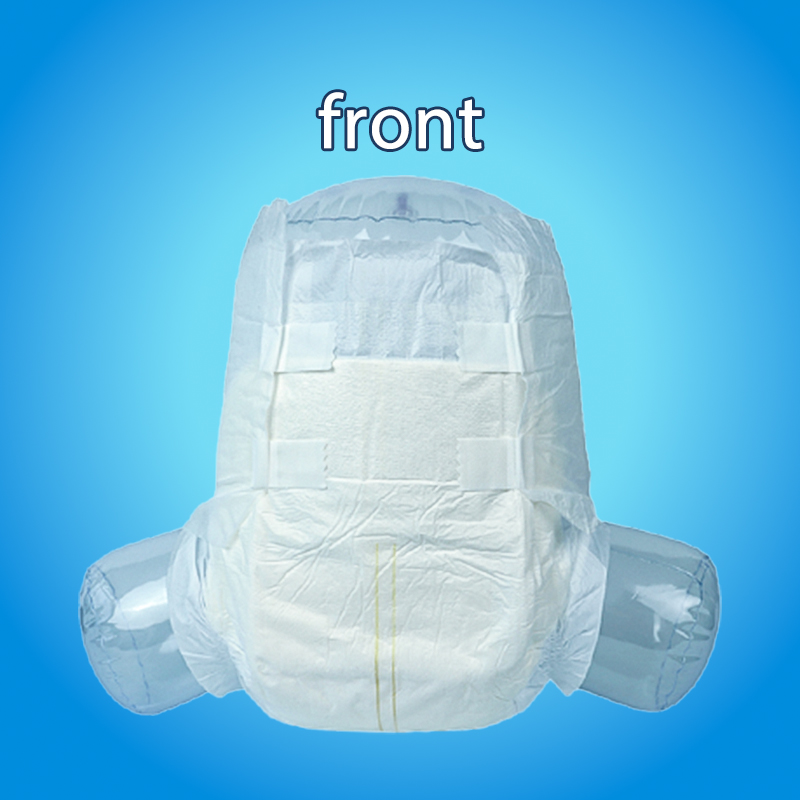
Incontinence products face strict regulatory realities worldwide. Authorities often classify them as Class I Medical Devices depending on the target market. Lack of compliance halts imports at the border immediately. Customs agencies routinely seize undocumented shipments. You must demand compliance proof before discussing any pricing.
Different regions enforce entirely different regulatory frameworks. You must understand your destination market requirements thoroughly.
United States (FDA): The FDA requires proof of facility registration. You also need a specific device listing. While generally exempt from 510(k) premarket notification, the factory must still hold an active registration number.
Europe (CE & MDR): You must verify compliance based on the Medical Device Regulation (MDR). Check the CE mark carefully. It must be issued by a recognized notified body. Reject simple self-declarations from unfamiliar factories.
Quality Management (ISO): Search for strict ISO 13485 (Medical Devices) compliance. ISO 9001 (Quality Management) is also necessary. These certifications prove the factory maintains standardized, hygienic production environments.
Always request the actual certificate numbers from the supplier. Verify these numbers directly using the issuing agencies' online databases. Fraudulent documentation remains a persistent problem on B2B marketplaces. A legitimate manufacturer will gladly provide verifiable links to their registration records.
Target Market | Primary Regulatory Body | Required Certification/Listing | Risk of Non-Compliance |
|---|---|---|---|
United States | FDA | Facility Registration & Device Listing | Customs hold, shipment destruction |
European Union | EMA / National Agencies | CE Mark under MDR guidelines | Port rejection, legal penalties |
Global Baseline | ISO | ISO 13485, ISO 9001 | Inconsistent batches, safety hazards |
A manufacturer's true capability remains hidden in their bill of materials (BOM). Do not rely on their marketing claims. The raw materials they select determine product performance. They also dictate user comfort and your final profit margins. You must audit the exact components used in their manufacturing process.
Super Absorbent Polymer (SAP) and fluff pulp drive the primary absorption metrics. Japanese SAP typically offers superior absorption speeds compared to cheaper local alternatives. High-quality SAP locks moisture away rapidly. It drastically improves rewet rates, keeping the user dry. Relying too heavily on fluff pulp makes the product bulky and uncomfortable.
Backsheet and topsheet materials require equal scrutiny. Evaluate breathability carefully. Cloth-like backsheets allow air circulation. PE film backsheets trap heat and moisture. Poor breathability causes incontinence-associated dermatitis (IAD). Skin-friendly attributes remain essential for long-term user health and brand loyalty.
You must also assess leak guards and elasticity. Examine the structural integrity of 3D leak guards. Check the waistbands during extended wear tests. Weak elastics snap under pressure, causing catastrophic leaks.
Always mandate objective testing. Require ISO-standard absorption tests like the Rothwell method (ISO 11948-1). Qualitative factory promises mean nothing without standardized laboratory data. Ask for lab reports detailing specific absorption capacities in milliliters.
Component | Premium Standard | Budget Standard | Impact on Performance |
|---|---|---|---|
SAP | Japanese/Top-tier brand | Generic/Local grade | Determines absorption speed and dryness |
Backsheet | Cloth-like, breathable | PE plastic film | Reduces skin irritation and IAD risk |
Leak Guards | Tall 3D, hydrophobic | Flat, standard non-woven | Prevents side leakage during movement |
The cheapest quote usually signals compromised production standards. Low prices often mean reduced SAP ratios. They might also indicate the use of recycled materials. You must establish transparent assumptions before analyzing any quotations. A suspiciously low unit price guarantees quality issues down the line.
Volume heavily influences your final landed costs. Standard MOQs typically range from 100,000 to 200,000 pieces per size. Container optimization plays a massive role in pricing. Shipping a 1x40HQ container maximizes space efficiency. It significantly reduces the landed freight cost per unit compared to a 20ft container.
Currency and raw material fluctuations change pricing validity constantly. Petroleum prices directly affect SAP and plastic components. Wood pulp commodity markets dictate fluff pulp costs. Manufacturers usually limit quote validity to 30 days due to these volatile commodity markets. Ask your supplier how they handle raw material price spikes.
Do not forget tooling and mold costs. Custom printing on backsheets requires specific printing cylinders. Bespoke packaging designs also carry upfront fees. You must pay these fees before mass production begins. Clarify who owns the molds after the first production run completes. Ensure you retain intellectual property rights over any custom packaging designs.
Relying solely on B2B marketplace profiles poses massive supply chain risks. Platforms like Alibaba or Global Sources show polished digital storefronts. They rarely reveal the messy reality of a factory floor. You must implement strict auditing procedures to mitigate these risks effectively.
Evaluate Automation Levels: Assess the factory's reliance on automation. Fully automated lines reduce human contamination significantly. They also ensure batch-to-batch consistency. Manual packing lines introduce severe hygiene risks.
Audit QC Protocols: Evaluate the factory’s inline inspection systems. Look for advanced camera vision systems. These systems detect missing tapes or defective leak guards instantly. Verify they use calibrated metal detectors at the end of the line.
Review Cleanroom Standards: Hygiene products require strict environmental controls. Check if they operate a certified dust-free workshop. Pest control records and worker hygiene protocols are mandatory audit points.
Hire Third-Party Inspectors: Never skip pre-shipment inspections (PSI). Recommend using recognized services like SGS, TUV, or Intertek. Instruct them to inspect based on acceptable quality limit (AQL) standards. Use AQL 1.5 for major defects and 4.0 for minor defects.
Catching defects at the factory saves your business. Discovering defects after the container arrives at your domestic port destroys profitability.
Your shortlisting logic must be ruthless. Eliminate manufacturers who refuse third-party audits immediately. Disqualify any factory lacking direct export experience to your specific region. Reject suppliers offering vague bill of materials (BOM) documentation. If they cannot specify their SAP brand, cross them off your list.
Structuring the Request for Quote (RFQ) requires intense detail. Vague requests generate inaccurate pricing. Detail your exact requirements clearly.
Specify the required absorption capacity in milliliters.
List the exact target weight in grams per piece.
Provide accurate size dimensions for waist and length.
Detail your preferred packing configuration (e.g., 10 pieces per bag, 8 bags per carton).
State your required destination port and preferred incoterms (CIF or FOB).
Once you receive competitive quotes, enter the sampling phase. Order multiple "golden samples" from your top three choices. Test them rigorously in an independent lab. Check the physical absorption limits yourself. Once approved, seal one sample as the official production standard. Attach this sealed sample to your final manufacturing agreement. The factory must match this standard exactly during mass production.
Sourcing adult incontinence products is fundamentally an exercise in strict risk management. It requires precise material specification and relentless quality control. Ignoring regional compliance laws will destroy your importing efforts instantly. Trusting a factory blindly without verifying their BOM guarantees subpar product performance.
Prioritize manufacturers who offer total transparency into their raw material suppliers. They must maintain verifiable, market-specific medical compliance at all times. Establish a strong testing framework using independent third-party labs. Never skip pre-shipment inspections.
Begin by defining your exact product specifications today. Map out your non-negotiable certifications based on your destination country. Finalize these requirements thoroughly before sending your first batch of RFQs to overseas suppliers.
A: The standard MOQ depends on container size and customization. Typically, you need one 20ft container for standard items. This equals approximately 30,000 to 50,000 pieces. For OEM or private label orders, factories usually require a 40HQ container. This larger container holds approximately 100,000 or more pieces, optimizing freight costs.
A: Yes, they face strict FDA regulations. The FDA generally regulates them as Class I medical devices. This requires official manufacturer registration and an active device listing. However, they are usually exempt from the rigorous 510(k) premarket notification process.
A: First, obtain a clear, high-resolution copy of the certificate from the supplier. Locate the name of the issuing Notified Body or registrar. Visit their official public database online. Enter the exact certificate number to verify its current validity and scope directly.
A: First-time orders usually take 35 to 45 days. This extended timeline accounts for custom packaging design and specific mold creation. Once molds exist, repeat orders move much faster. Subsequent production runs typically average 20 to 30 days before shipping.